
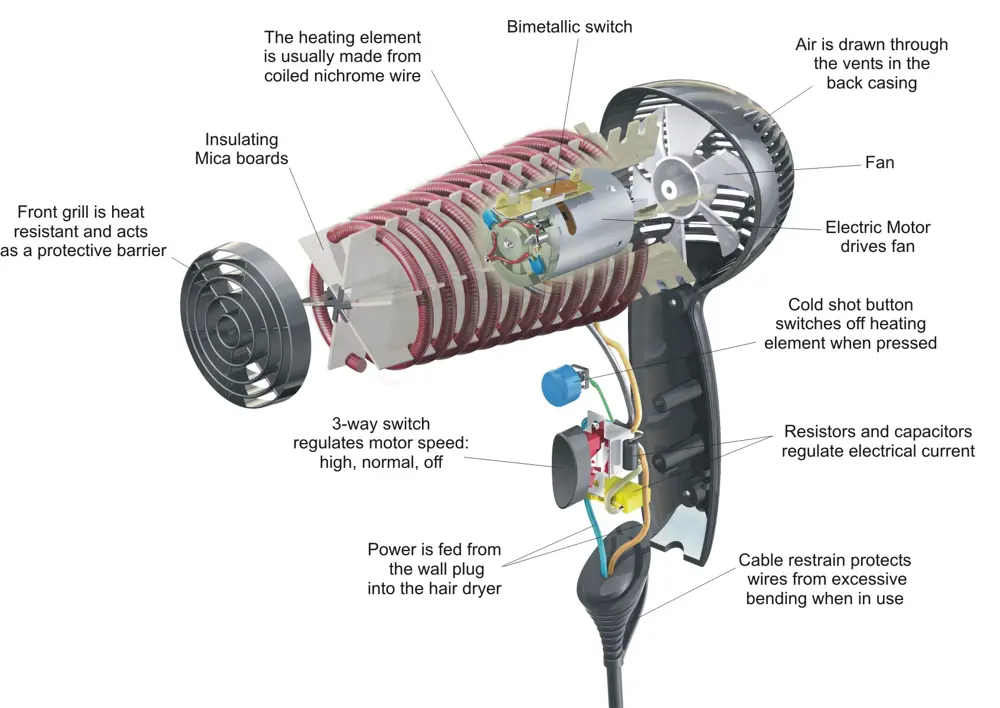
Introduction
Many Japanese beauty brands tell us the same thing at the beginning:
“We have been looking for a suitable manufacturer for a long time,
but we couldn’t find one that truly fits our product idea.”
This situation is more common than it appears.
In most cases, the issue is not manufacturing capability.
It is product clarity.
In the Japanese market — especially for hair styling tools such as straighteners, curling irons, and hair dryers — customization expectations are extremely high.
However, many factories are structured around standardized exports to Western markets.
They may be technically capable.
But without understanding Japanese salon usage scenarios and long-term quality expectations, product development rarely aligns with local standards.
Before we discuss price, design, or lead time, we always ask:
Is the product definition clear enough to be quoted at all?
Why “Just Quoting” Rarely Works in Japan
From the brand side, requests often sound reasonable:
- “We want something similar to this.”
- “Can you quote based on your existing model?”
- “We only need to adjust the appearance.”
But quoting at this stage often leads to silence.
Not because the price is wrong.
Not because the factory lacks capability.
But because the product definition is incomplete.
In Japan, especially in professional salon tools, brands move forward only when they are confident of three things:
- The manufacturer understands the Japanese market.
- The manufacturer has relevant development experience.
- The manufacturer can deliver consistent long-term performance.
Without this foundation, even competitive quotations fail to convert.
The Hidden Risk: Similar Products, Completely Different Results
Two products can look almost identical.
From the outside:
- Similar appearance
- Similar specifications
- Similar sample feel
But in real usage:
- User experience differs
- Long-term stability differs
- Perceived quality diverges quickly
Because there will always be a cheaper product in the market, the real question is never:
“Can this be made cheaper?”
The real question is:
Is this product suitable for this brand, this market, and this user group?
That is where professional judgment matters.
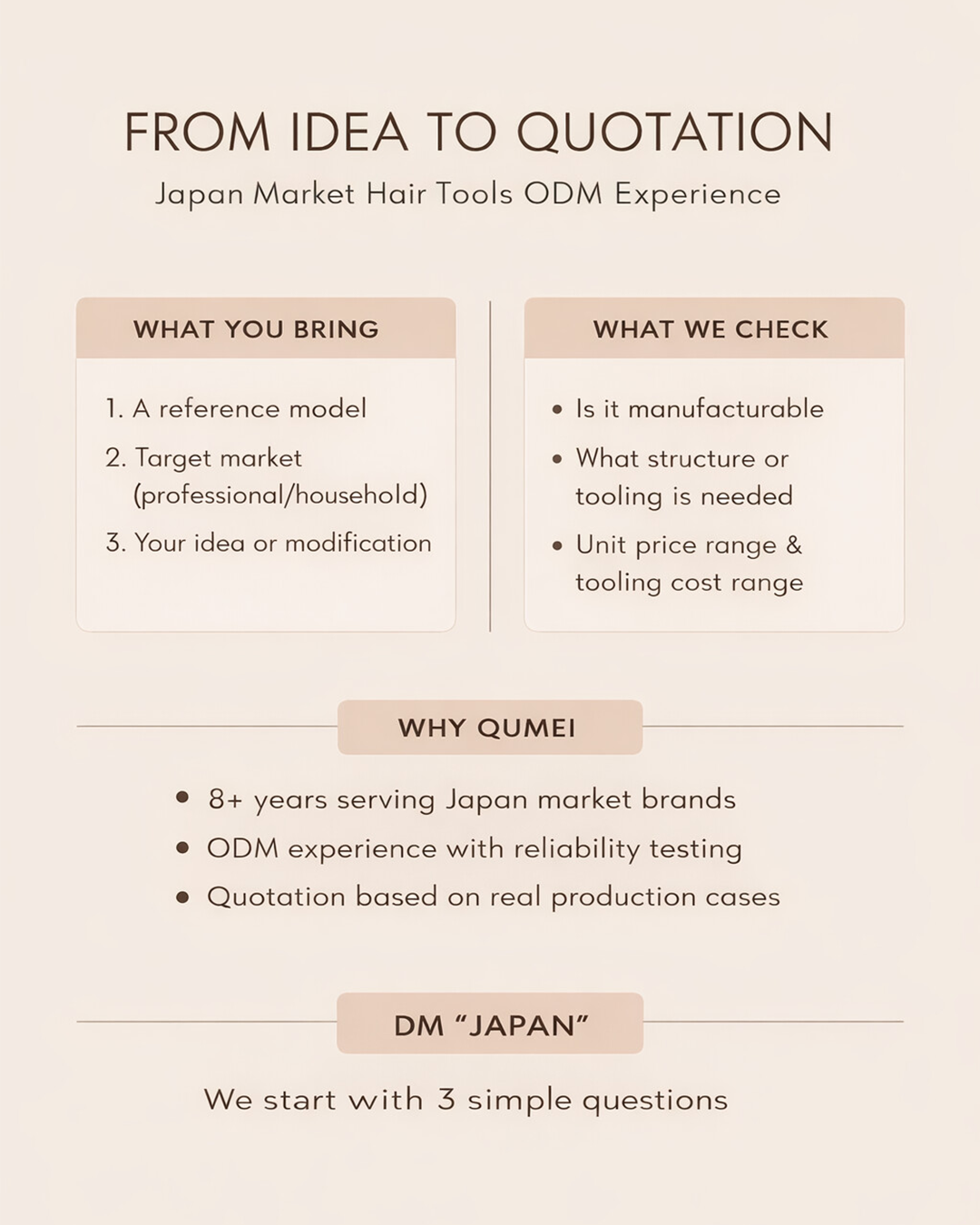
The Three Questions We Ask Before Any Quotation
To avoid misalignment, we apply a structured framework.
1. Who Is the End User?
- Home consumers?
- Professional stylists?
- Beginners?
- Experienced users?
A home-use straightener often fails in salon environments.
A salon-grade tool may feel excessive for home users.
Without clarity here, development becomes unstable.
2. What Result Matters Most?
- Smooth glide?
- Lightweight handling?
- Long-term comfort?
- Styling speed?
- Temperature consistency?
Trying to optimize everything leads to compromise.
Clear priority leads to stronger product identity.
3. What Function Truly Solves a Real Problem?
Are new features necessary?
More importantly:
What real usage problem do they solve?
Features without purpose often become quality risks later.

A Real Example from a Japanese Project
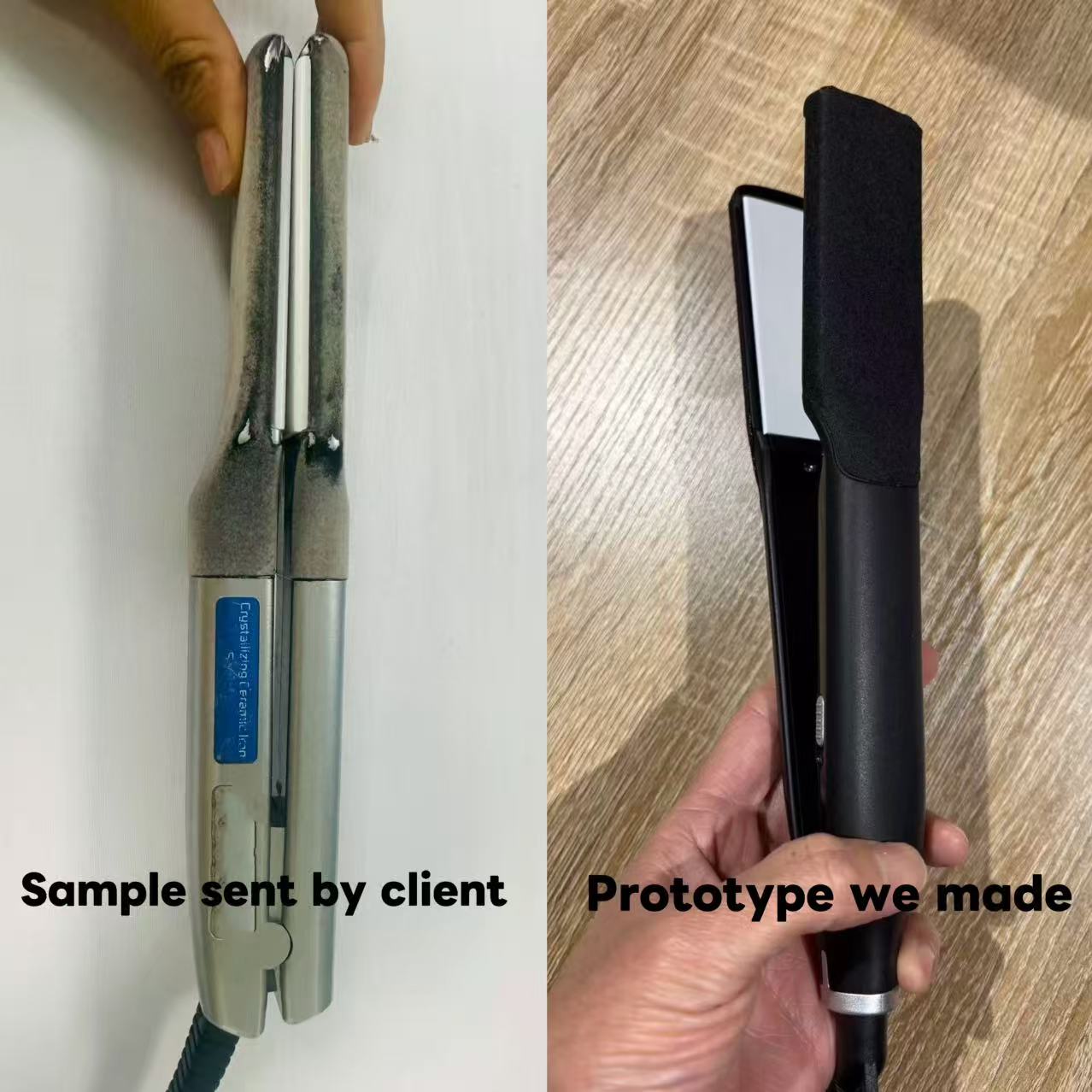
Recently, a Japanese trading company approached us.
Initially, they requested a quotation based on an existing model.
However, the end-user profile was unclear.
After arranging a sample review and structured discussion, we discovered:
- The end users were professional hair stylists.
- Smooth hair glide through plates was critical.
- Long-term comfort and light weight mattered more than aggressive power.
- Heating speed needed reliability, not extremity.
- The goal was not to copy appearance, but refine feel and balance.
Only after these clarifications did the project move forward.
Without that clarity, any quotation would have been meaningless.
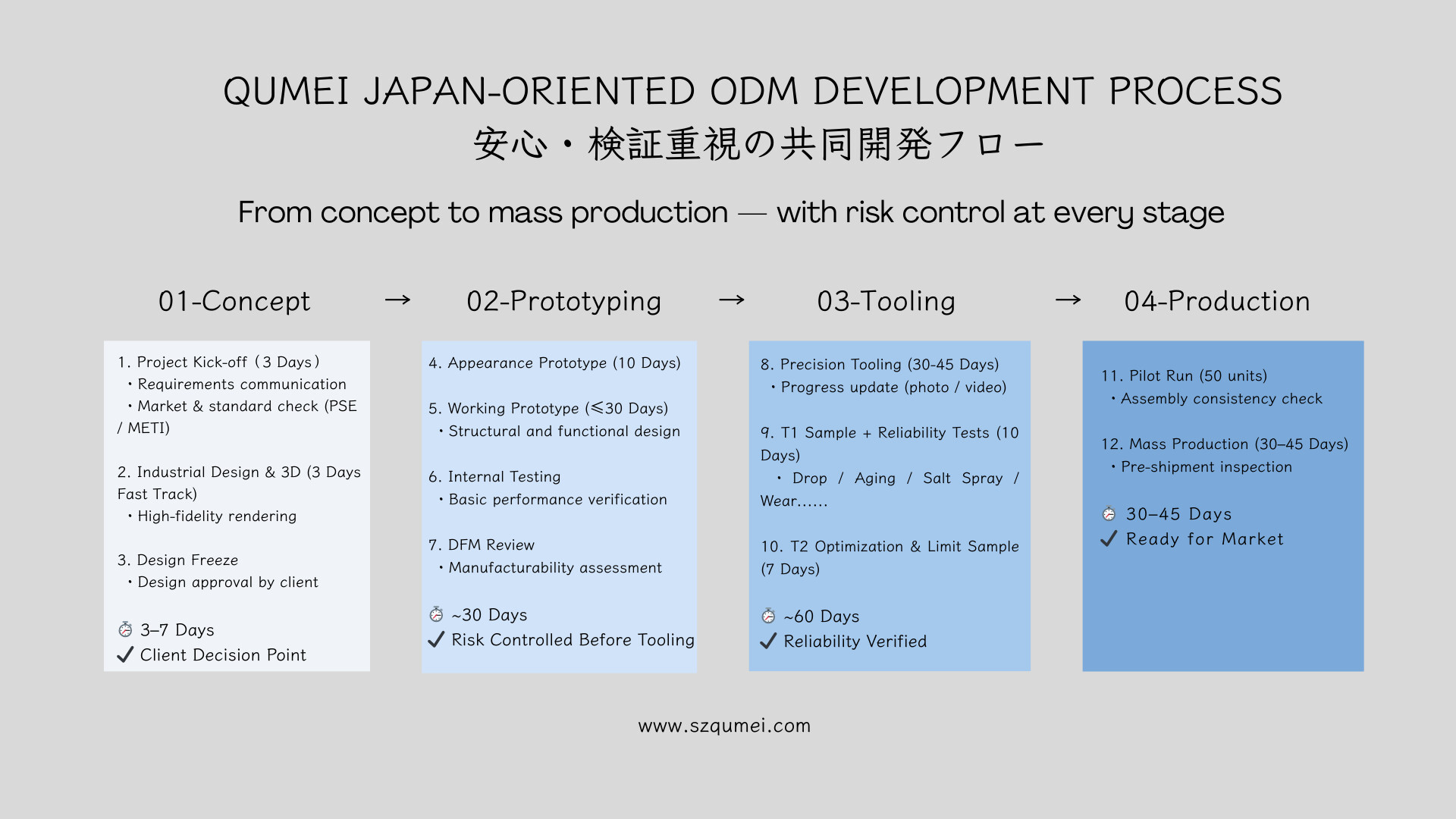
When Is a Project Truly “Quote-Ready”?
A project becomes quote-ready when:
- The three core questions are clearly answered.
- A reference sample reflects intended user experience.
- The end-user profile is aligned among all parties.
Clarity does not mean perfection.
But it means direction is grounded in reality.
Why This Approach Saves Time
Some brands worry that structured clarification slows development.
In reality, the opposite happens.
When clarity is missing:
- Revisions multiply.
- Expectations shift mid-development.
- Costs increase silently.
- Frustration grows.
When clarity exists:
- Trade-offs become logical.
- Development becomes predictable.
- Communication improves.
In the Japanese market — where trust and long-term usability matter deeply — this difference is decisive.
Conclusion: Before Price, There Must Be Understanding
Quoting is not the starting point.
It is the consequence of clarity.
Before numbers, there must be answers.
Before design, there must be judgment.
That is why in our process:
Clarity always comes before quotation.
Not to complicate projects —
but to ensure they have a real chance to succeed.
 ボタン:シルクプレートのサンプル請求・開発相談はこちら