
Why Early Involvement Determines Long-Term Product Success in the Japanese Market ?
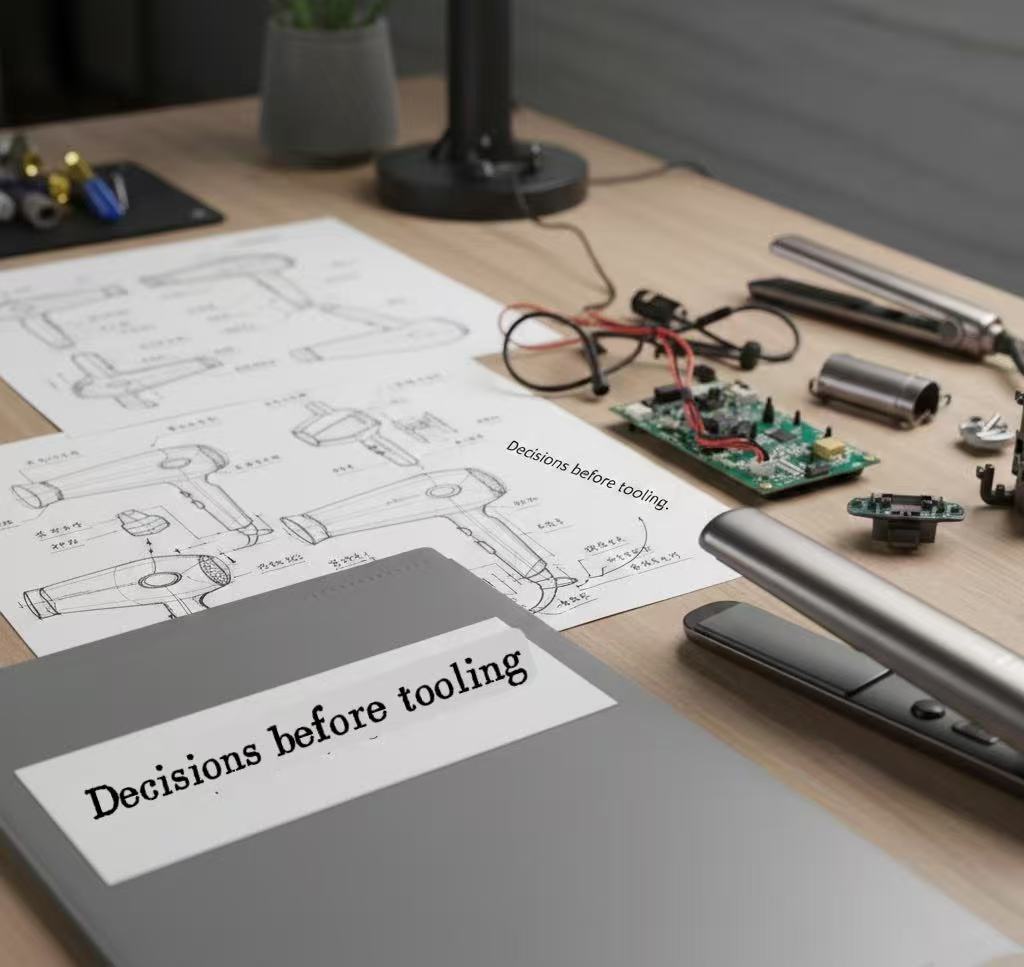
In the hair styling tools industry — including hair dryers, straighteners, curling irons and styling brushes — many brands contact OEM or ODM manufacturers after key decisions have already been made.
The product concept is fixed.
The structure is mostly defined.
Tooling is about to begin.
The next step appears simple: execution.
But in our experience as an OEM/ODM manufacturer of hair styling appliances, this is often the stage where projects quietly lose their chance to succeed.
Not because the idea is bad.
Not because the factory cannot deliver.
But because the most important decisions were made
before enough questions were asked.
The Stage That Matters Most in Hair Tool Development
In product development for hair dryers, hair straighteners, and curling irons, timing matters more than speed.
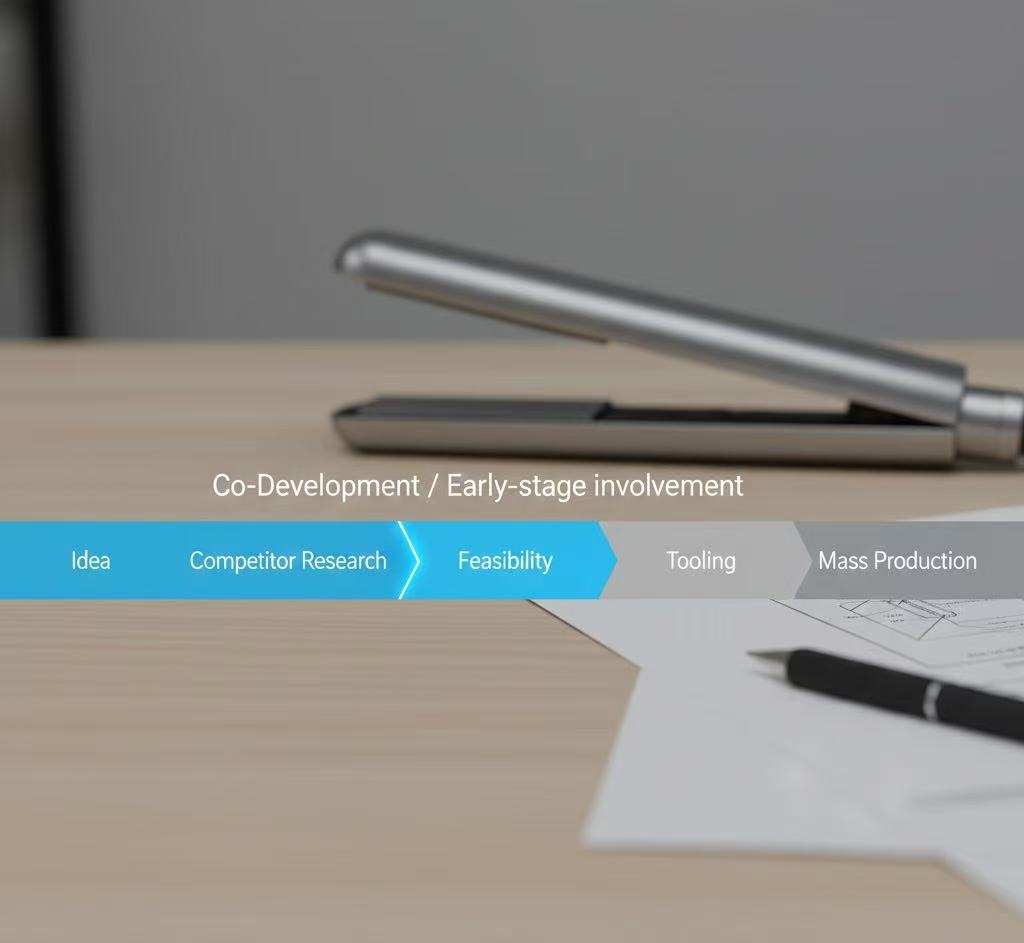
We are most effective when involved at:
The idea stage
The competitor research stage
Or during early feasibility discussions
Before tooling begins.
Before internal structures are locked.
Before modifications become expensive.
At this stage, projects are still flexible.
Small structural adjustments can significantly influence:
Heat stability
Airflow efficiency
User comfort
Long-term durability
Once molds are made,
most issues can only be managed — not fundamentally solved.
Why Early Involvement Changes the Outcome
At early stages, brands are usually facing uncertainty:
Who exactly is the end user?
Is this product for salon professionals or home users?
Should priority be power performance or noise reduction?
What compromises are acceptable — and which are not?
These are not manufacturing questions.
They are direction questions.
When direction is unclear, development often proceeds anyway.
But risk quietly accumulates.
Early OEM/ODM involvement allows those risks to be surfaced and reduced before structural decisions are finalized.
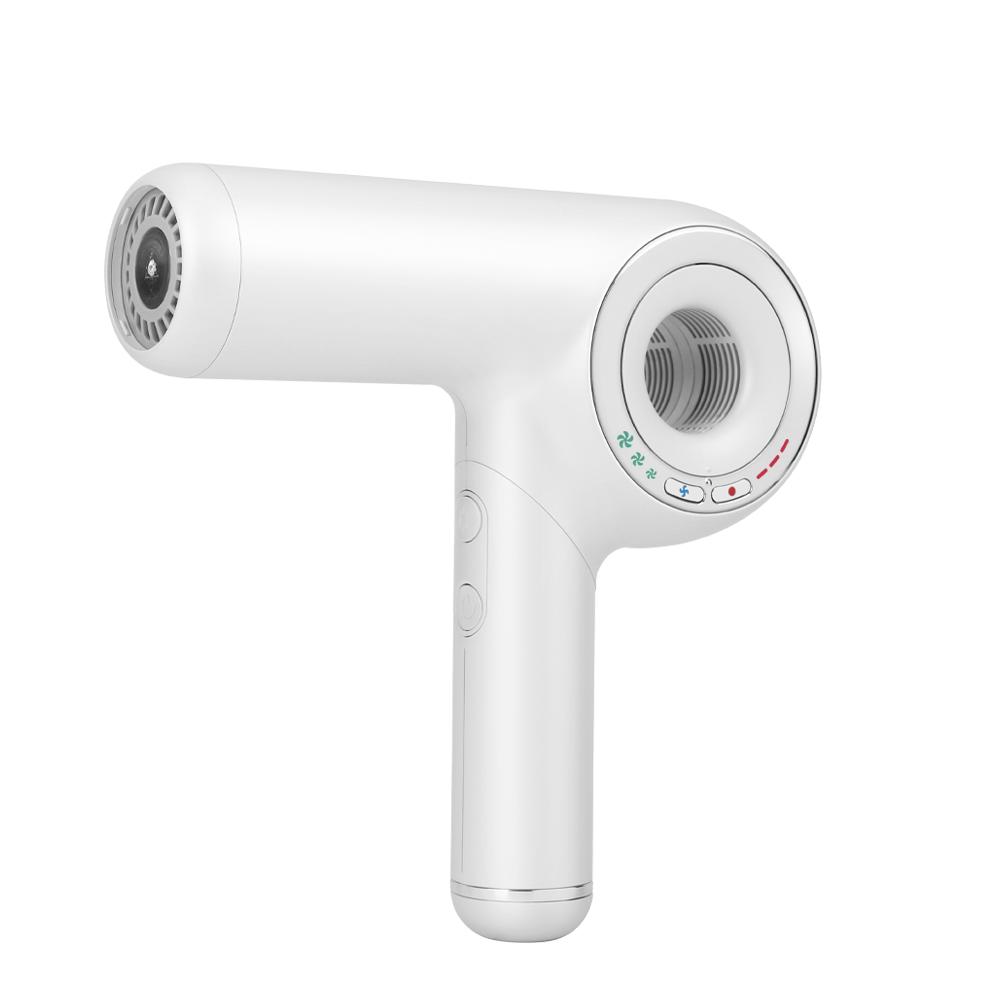
Real Example 1: Hair Dryer Airflow Design for the Japanese Market
In several hair dryer development projects for Japanese brands, we have seen a common pattern.
The external design and motor specification were defined early.
However, airflow channel structure was not fully evaluated before tooling.
Later, during testing, the product faced:
Uneven airflow distribution
Higher-than-expected noise levels
Reduced drying efficiency
At that stage, adjusting the internal airflow path required mold revision — significantly increasing cost and delay.
When involved earlier, we can simulate airflow direction, evaluate fan balance, and optimize internal duct structure before tooling begins.
In high-standard markets like Japan, where products are judged by daily usability and subtle performance differences, these early decisions determine long-term acceptance.
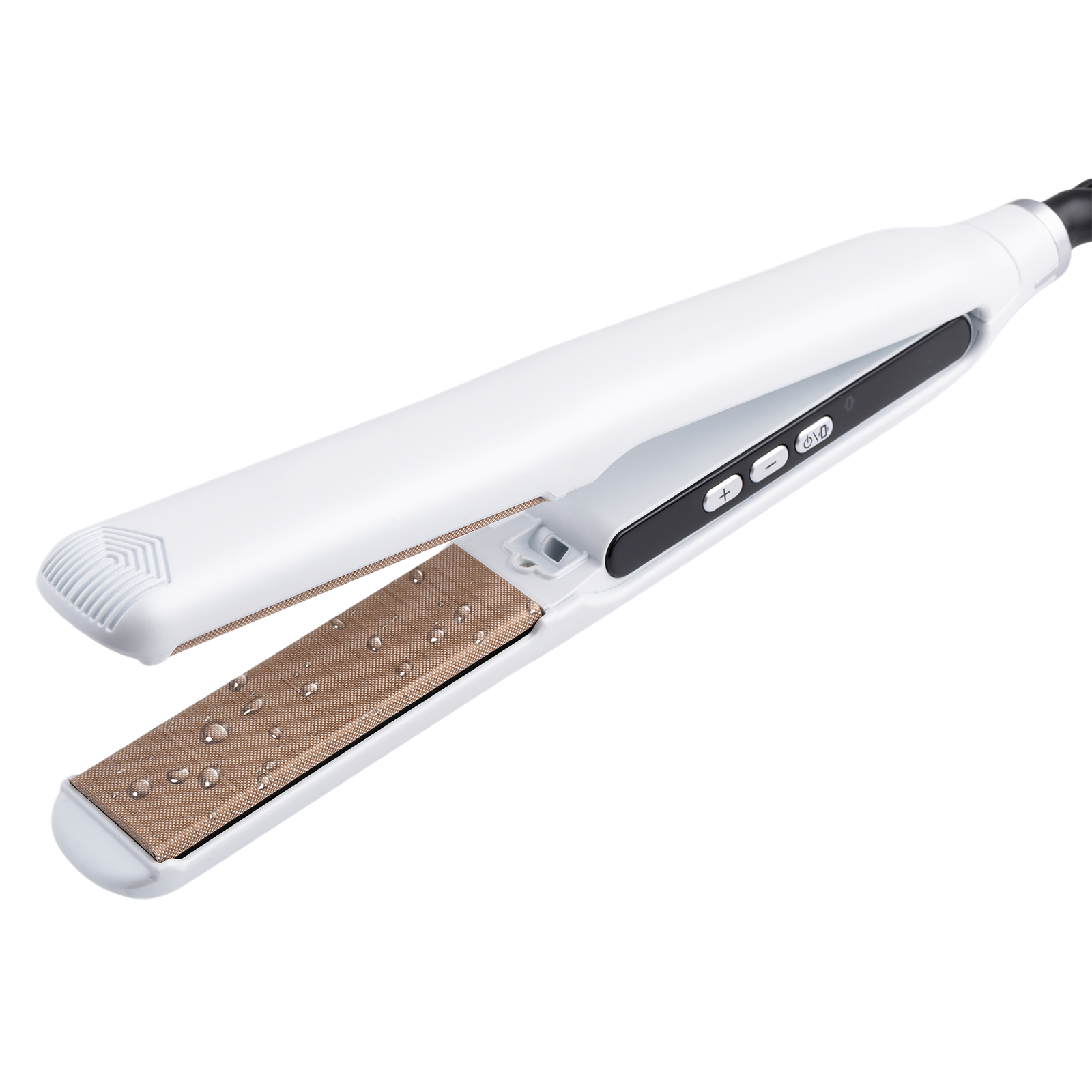
Real Example 2: Hair Straightener Plate Structure & Temperature Consistency
In hair straightener OEM projects, locking the plate structure too early often limits flexibility later.
For example:
If plate pressure distribution is uneven, users may experience:
Inconsistent heat transfer
Excessive hair pulling
Reduced smoothness during repeated use
After molds are finalized, adjusting pressure mechanics becomes extremely difficult.
But at the early stage, minor structural refinements can dramatically improve:
Temperature consistency
Plate alignment
Long-term durability after repeated use cycles
This is why early structural discussion matters more than visual finalization.
When We Recommend Slowing Down
There are moments in ODM development when the most responsible advice is not acceleration — but pause.
We sometimes suggest:
Re-defining the target user (salon vs home)
Narrowing the usage scenario
Re-prioritizing features instead of adding more
Delaying tooling until structural logic is clearer
This is not because development is difficult.
It is because building the wrong hair tool efficiently is still failure.
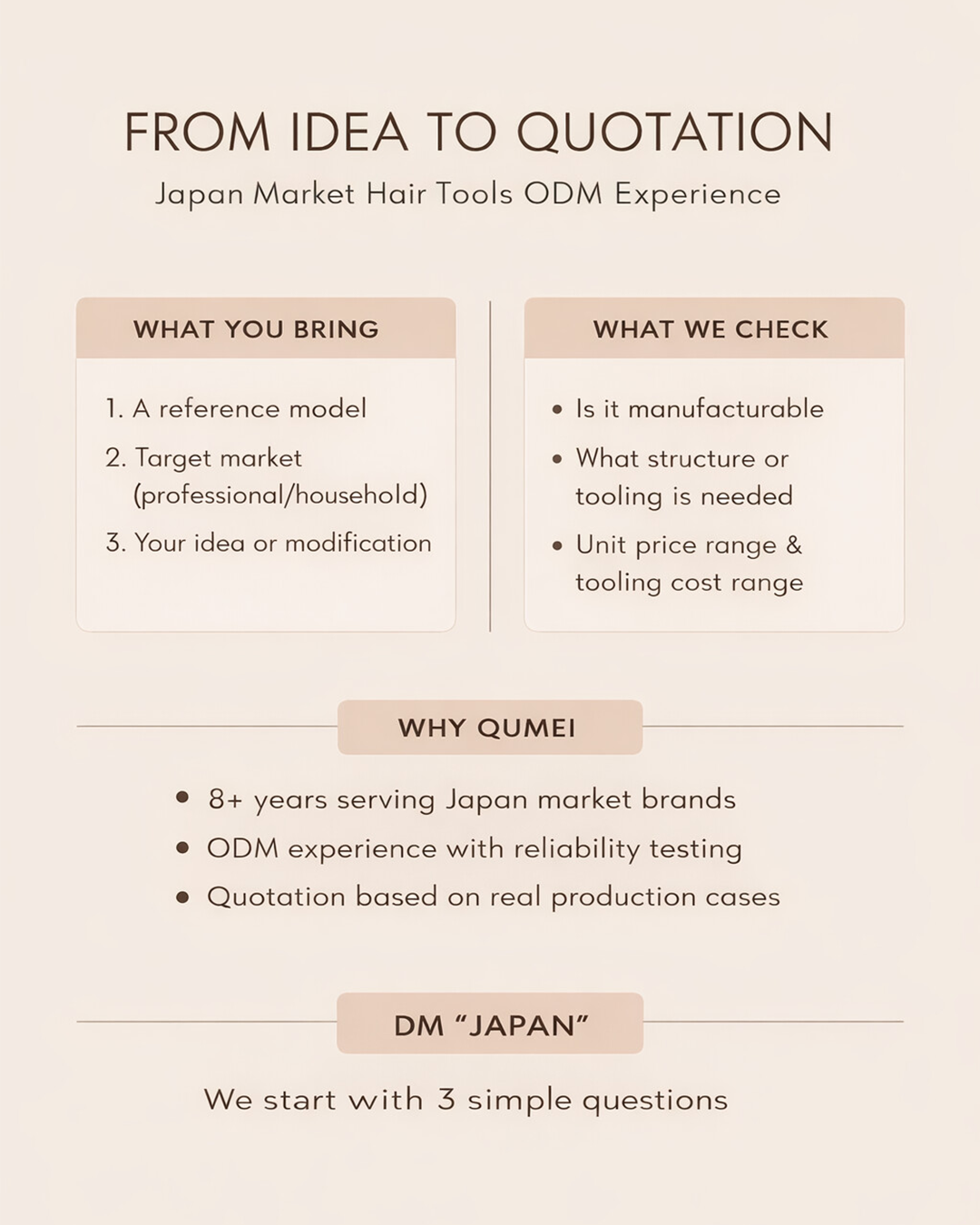
A Pattern We Often Observe in OEM Projects
Many projects begin with excitement:
A strong visual concept
A competitive feature list
Pressure to move quickly
But without early alignment, issues surface later:
The product does not align with the brand’s core audience
The performance feels technically adequate but emotionally flat
User feedback becomes mixed and difficult to interpret
At that point, brands often ask:
“Can we fix this in the next version?”
The honest answer is:
Some structural decisions in hair appliance development cannot be fully corrected after tooling.
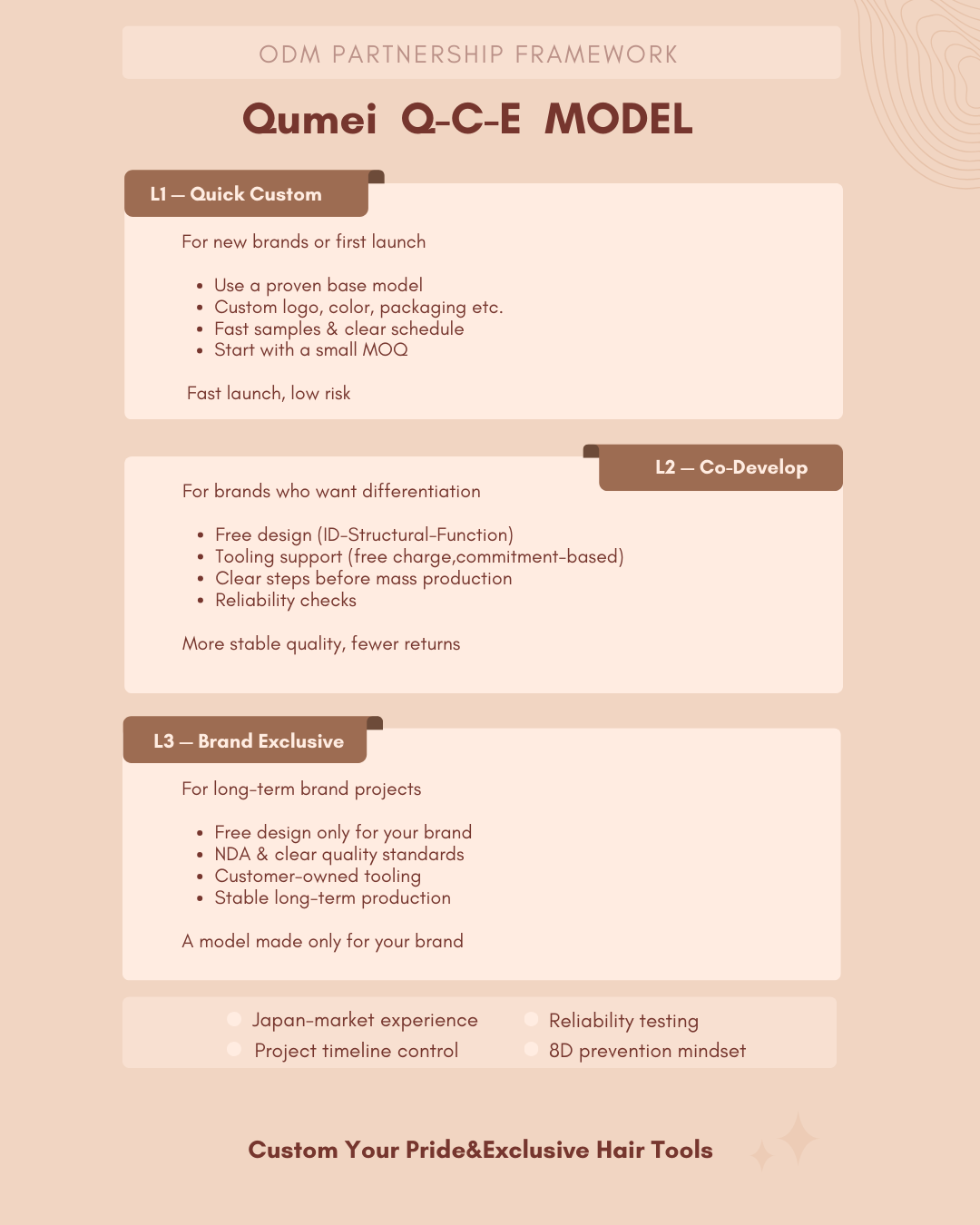
What “Co-Development” Really Means in Hair Styling Tool ODM
Co-development is not endless discussion.
It is shared responsibility for key decisions.
For us, co-development in hair styling tool OEM/ODM means:
Asking difficult structural questions early
Explaining technical trade-offs clearly
Evaluating durability, noise, airflow, and heat consistency before tooling
Making decisions with long-term repeated use in mind
It is not about agreeing with every request.
It is about protecting product integrity.
The Difference Between Transactional Clients and Co-Developing Clients
Over time, a clear difference appears.
Transactional clients:
Focus primarily on speed
Prioritize launch momentum
Expect technical solutions before defining user clarity
Co-developing clients:
Define the user carefully
Accept that good engineering requires judgment
Care about how users feel after repeated daily use
Consider long-term durability and brand consistency
The second group builds hair appliances that last longer —
and partnerships that do too.
Why This Mindset Matters Especially in the Japanese Market

In Japan, hair styling products are rarely judged only by launch excitement.
They are judged by:
Whether they feel thoughtful
Whether airflow feels natural
Whether temperature performance is stable over time
Whether noise levels remain comfortable
Whether the product integrates seamlessly into daily routines
Japanese consumers value:
Consistency over novelty
Usefulness over excessive features
Subtle engineering over visible complexity
Trust built through repeated use
Co-development aligns naturally with these expectations.
Co-Development Is Not Slower — It Is More Certain
There is a misconception that asking more questions slows development.
In reality:
Misalignment causes revisions.
Revisions cause delays.
Delays increase cost.
Clarity early reduces friction later.
Co-development does not remove challenges —
but it makes them visible while they are still manageable.
Choosing the Right Moment to Begin Tooling
Every hair styling product has a moment when it is truly ready for tooling.
That moment is not defined by urgency.
It is defined by understanding:
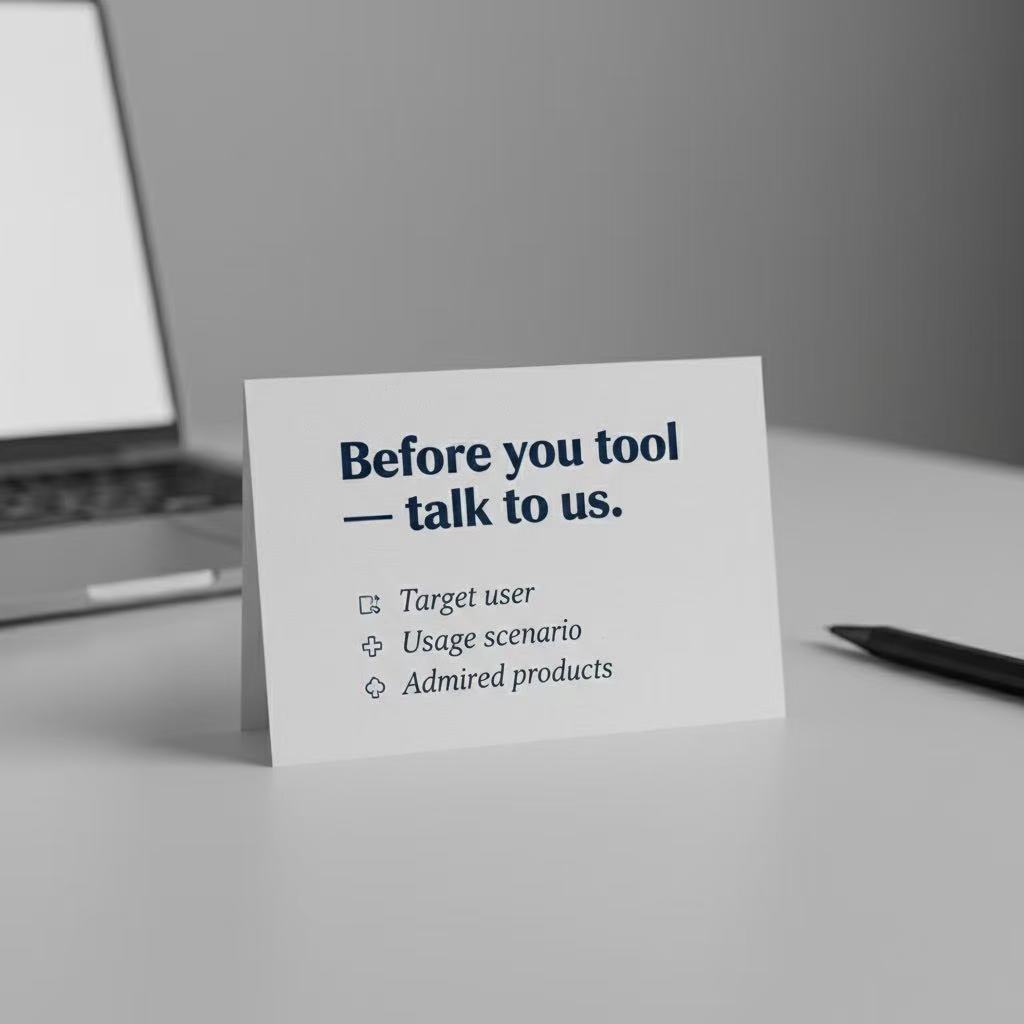
The user is clearly defined
Usage scenarios are realistic
Trade-offs are consciously accepted
Structural logic has been reviewed
That is when development becomes meaningful.
Conclusion: In Hair Styling Tool OEM, Building Together Means Thinking Together
Hair dryers, straighteners and curling irons are not just assembled.
They are decided.
Every successful product reflects a series of judgments:
About users.
About performance priorities.
About long-term durability.
About market expectations.
Co-development means sharing those judgments —
and taking responsibility for them together.
That is how hair styling products earn longevity in demanding markets like Japan.